The original Navy SEAL watch
Archival records reveal how 125 Tudor Submariners became the original Navy SEAL watches in 1962, beginning a remarkable relationship...
Whilst there are seemingly a number of Tudor Military-issued Submariners (or MilSubs as we call them round here) delivered to navies across the world, not all MilSubs are born equal. Sure, any watch used in military service can wear the moniker, but there are some that represent more than just a watch worn to test its extremes in the various warzones. Some represent the genesis of long-standing relationships, such as the 7922 Submariners delivered to the Marine Nationale in 1956 and Big Crown 7924s delivered to the US Navy in 1958. In this vein, a batch of reference 7928 Submariners destined for New York from Geneva began a fascinating and enduring chapter with the US Navy’s most fearsome and elite unit.
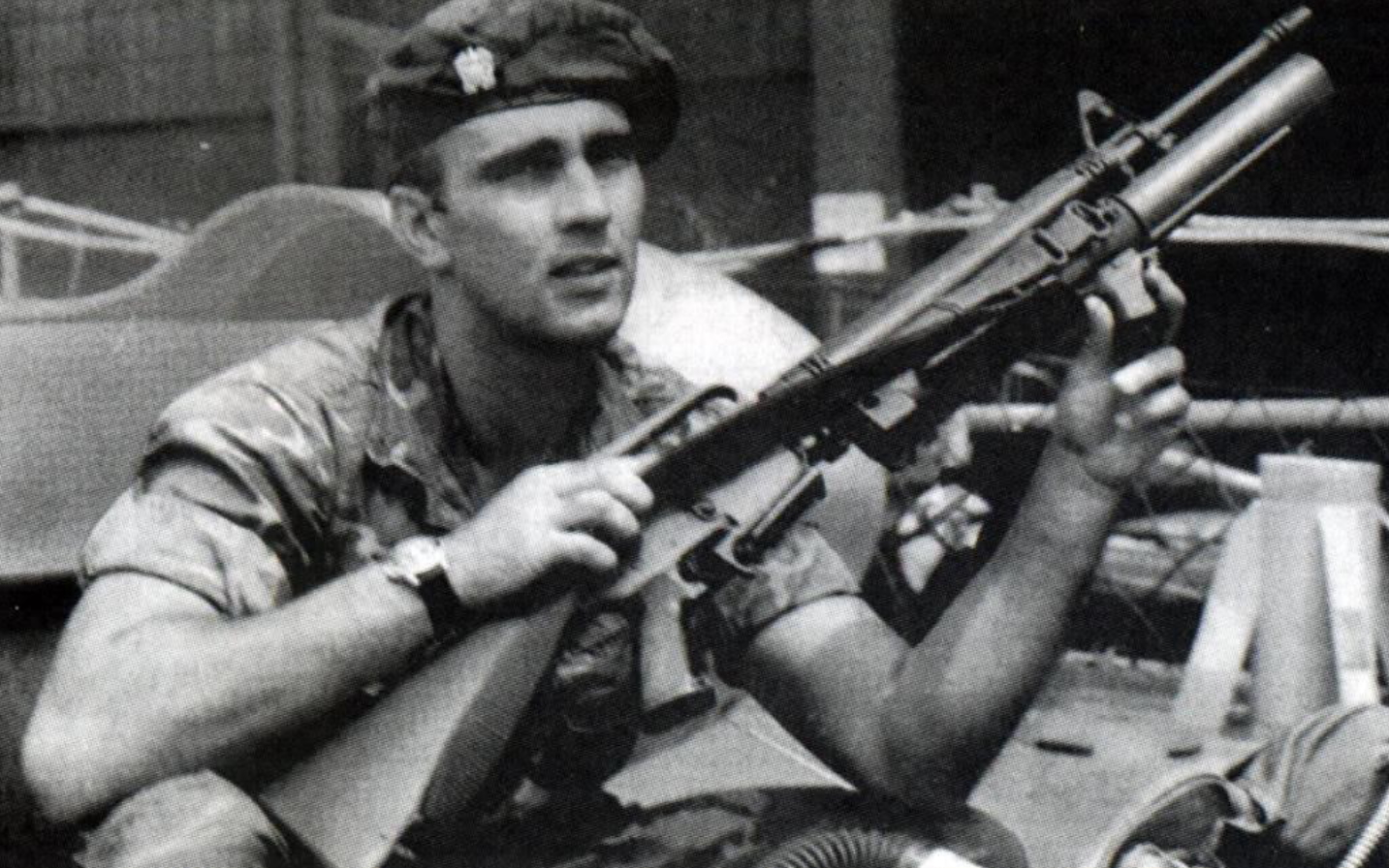
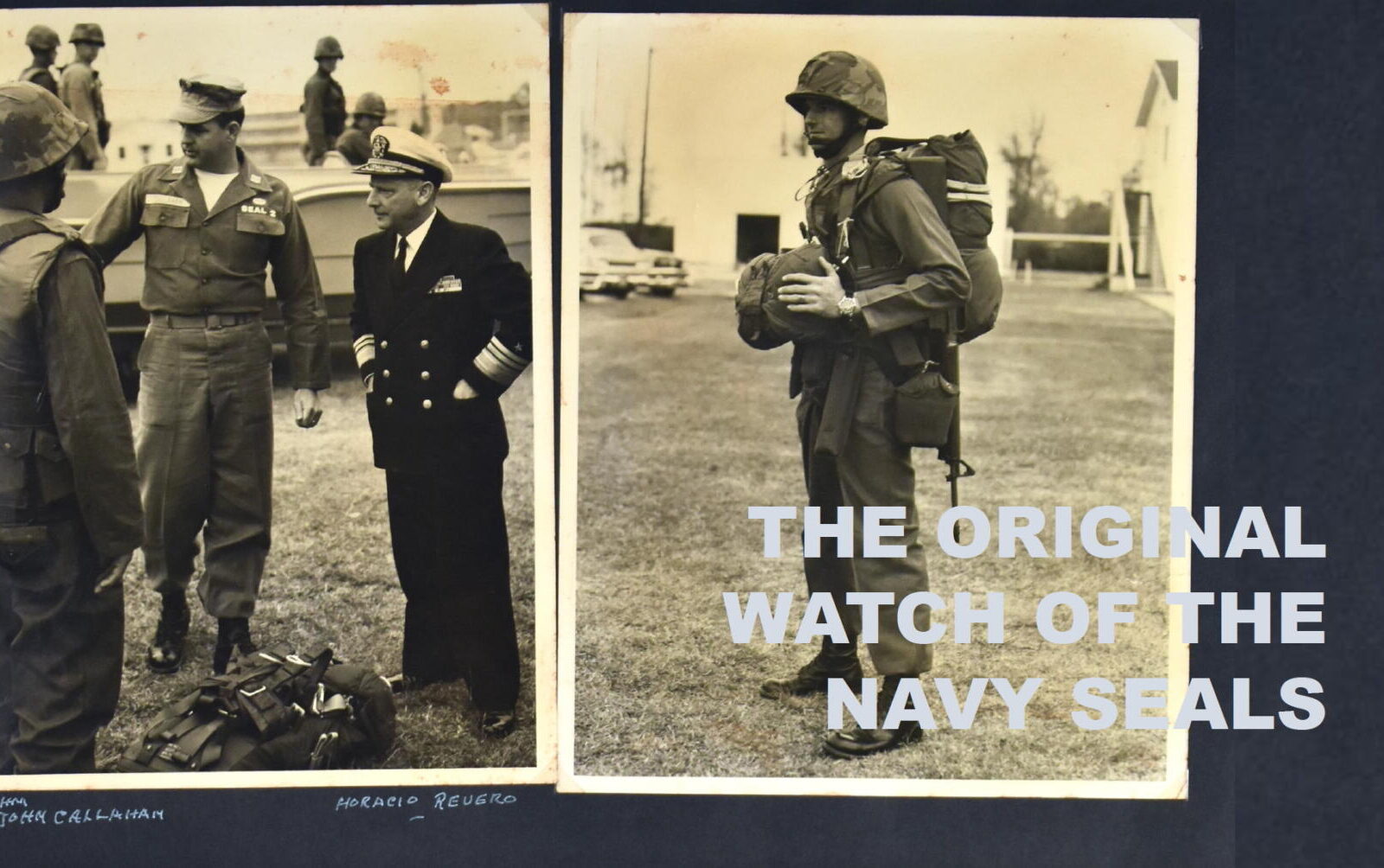
A US Navy SEAL wearing a Tudor Submariner ref 7928
In January 1962, President John F. Kennedy’s vision for a new breed of American special forces became a reality. Drawn from the ranks of the US Navy’s Underwater Demolition Teams, 120 highly trained frogmen formed the nucleus of the newly established Navy SEALs. These men would become some of the world’s most formidable special operations soldiers, trained to operate across sea, air and land. They needed equipment capable of meeting the demands of their unconventional missions, and among the very first items selected was a diving watch. That watch was the Tudor Submariner reference 7928.
More than six decades later, research in Tudor’s archives has revealed the original paperwork documenting an order for 125 Submariners, shipped to Naval Amphibious Base Little Creek in Virginia Beach on 19 December 1962. It is an extraordinary discovery, establishing the Tudor Submariner as the original watch of the Navy SEALs and providing documentary evidence of a relationship that would endure for decades.
A new kind of warfare
The establishment of the SEAL Teams was part of a wider transformation of American military capabilities under Kennedy, who recognised the increasing importance of unconventional warfare. SEAL Team One was established at Coronado, California, while SEAL Team Two was based at Little Creek, Virginia. Both drew their original personnel from the Navy’s existing Underwater Demolition Teams, whose members had developed specialist expertise in reconnaissance, demolition and underwater operations.

MCPO RUDY BOESCH 1928 - 2019
These original SEALs were known as plank owners, a naval term for the founding members of a newly commissioned unit. Among them was Rudy Boesch, a veteran sailor who had joined the Navy in 1945 and would go on to serve for 45 years. Known as the Bullfrog, Boesch became one of the most respected figures in the history of Naval Special Warfare.
Another central figure to this story is Roy Boehm, who played a pivotal role in establishing SEAL Team Two. Boehm understood that the conventional military procurement system was not necessarily equipped to meet the urgent and often unusual requirements of this new fighting force. Rather than wait for equipment to work its way through established supply channels, he made use of an arrangement that allowed essential items to be purchased directly from civilian suppliers.
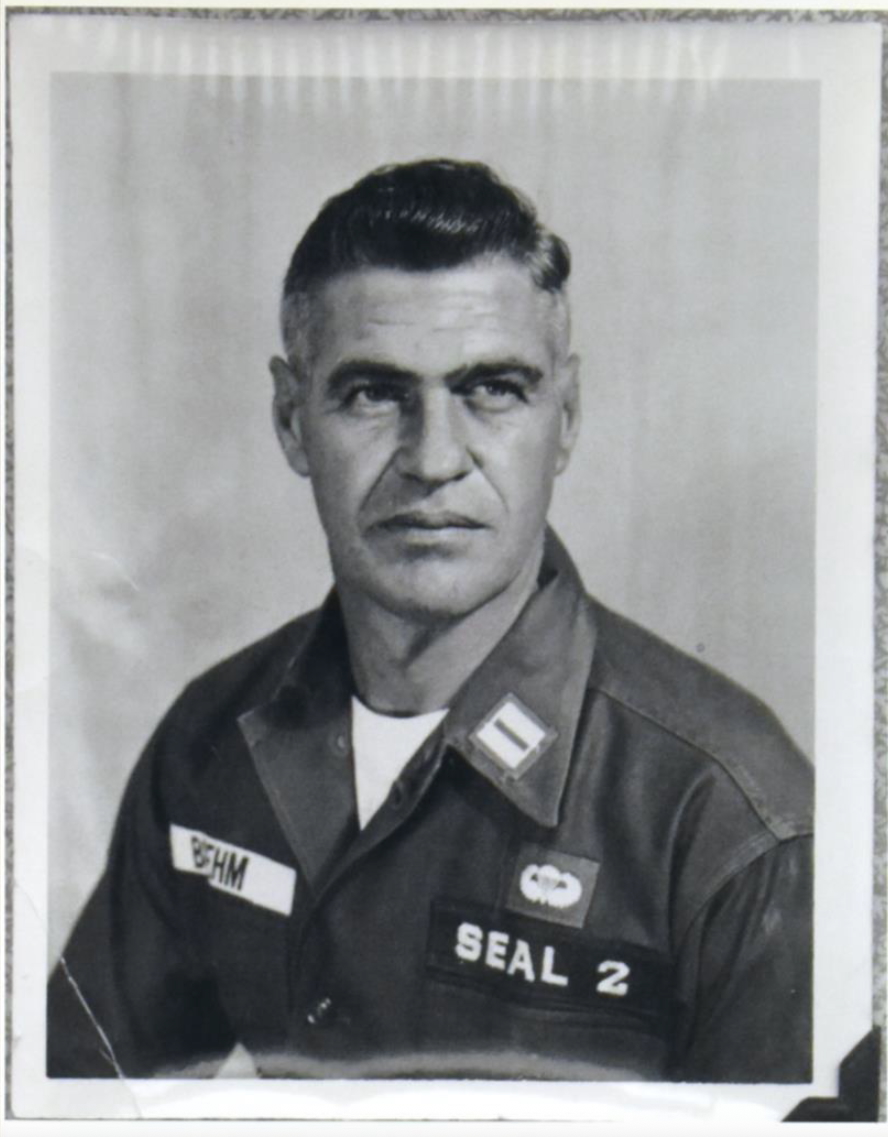
LCDR ROY BOEHM 1924 - 2008
In Bill Fawcett’s 1995 book Hunters & Shooters: An Oral History of the U.S. Navy SEALs in Vietnam, Rudy Boesch recalls how Boehm approached the problem. With operations dependent on having the right equipment, waiting was simply not an option. Watches, uniforms, holsters and ammunition holders were among the items acquired outside the usual supply system.
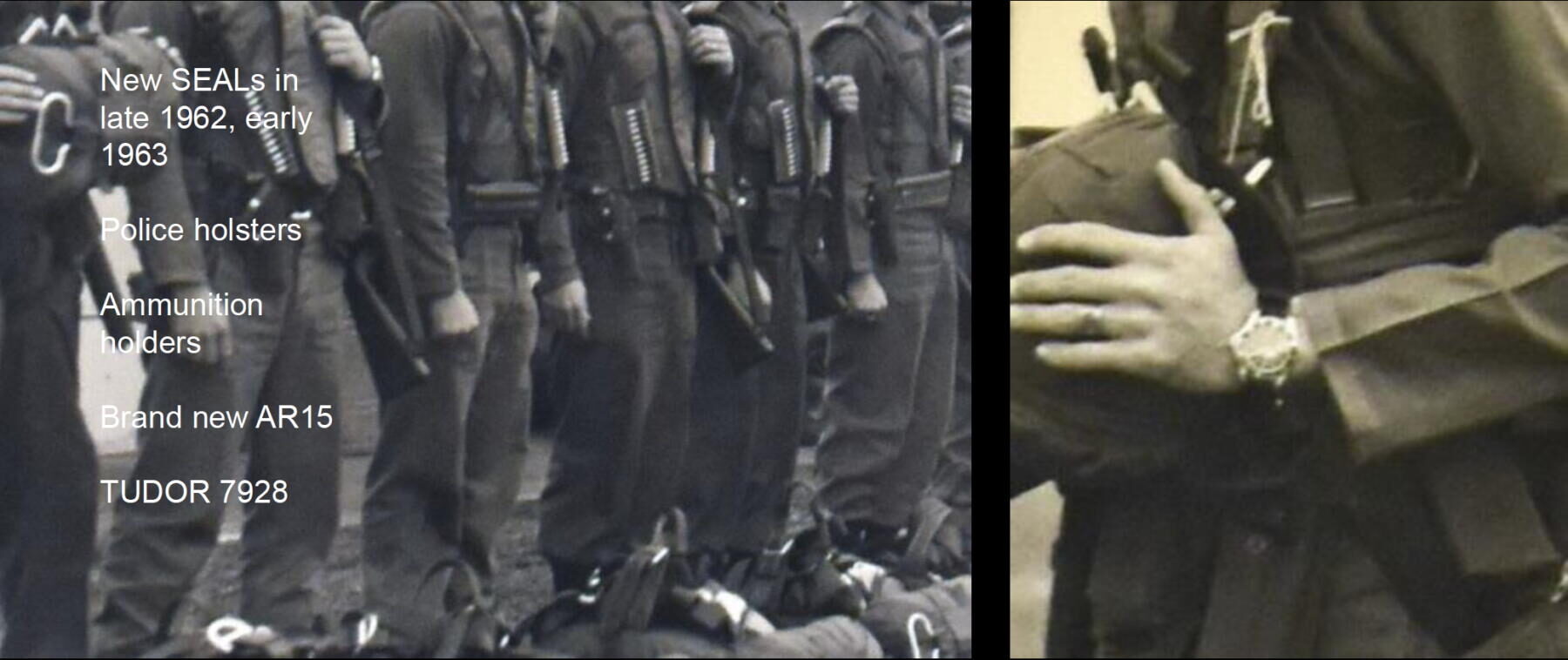
US Navy SEAL equipment was primarily sourced from civilian sources
The equipment was sometimes unconventional. Early SEALs adopted commercially available duck hunter camouflage clothing, while Boehm also acquired AR-15 rifles at a time when the weapon had yet to become standard US military equipment. The approach reflected the character of the new unit that became known as resourceful, pragmatic and prepared to do things differently.
It was through this procurement arrangement that Tudor entered the story…
An order for 125 Submariners
The archival evidence is remarkable in its detail. On 30 November 1962, a shipment comprising 135 Tudor Submariner movements and 135 cases was dispatched from Geneva to Rolex’s New York operational headquarters. Less than three weeks later, on 19 December, an order for 125 Tudor Oyster Prince Submariners, reference 7928, was shipped to the Naval Amphibious Base at Little Creek, home of SEAL Team Two.
Interestingly, the order was reportedly placed under the designation of Underwater Demolition Team 22. According to information uncovered during Tudor’s research, the newly formed SEAL organisation was not yet to be identified on procurement paperwork, meaning that an existing UDT designation was used instead.
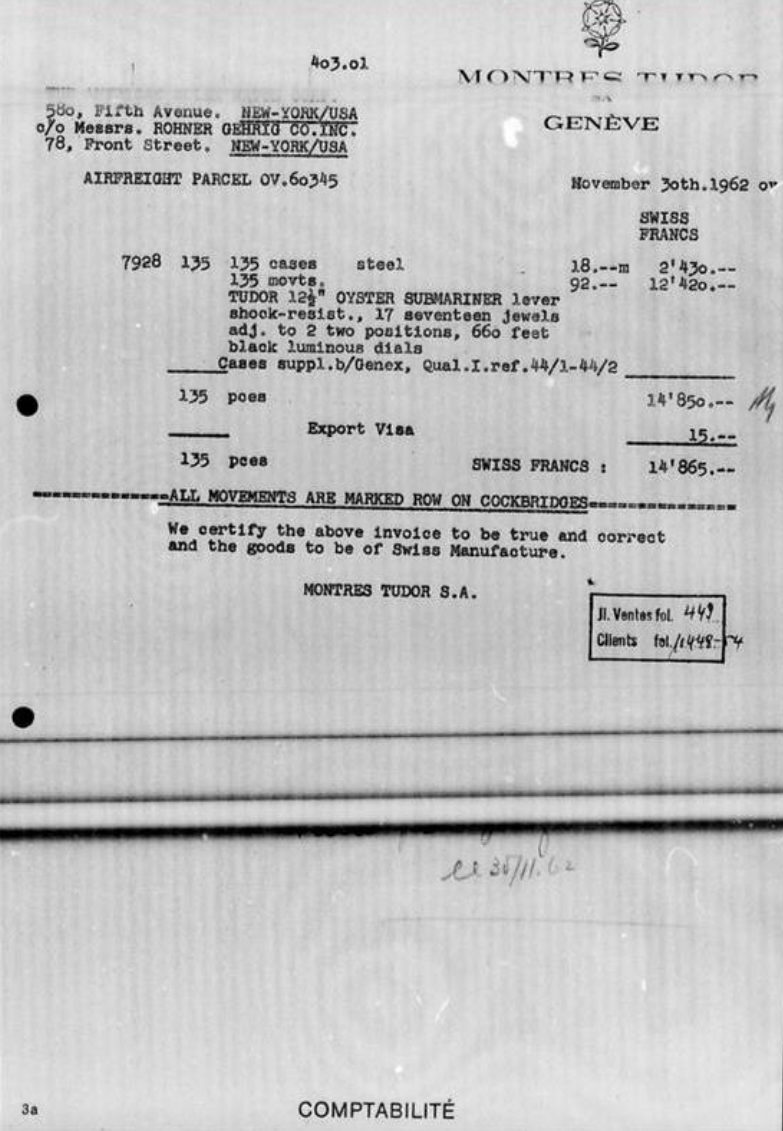
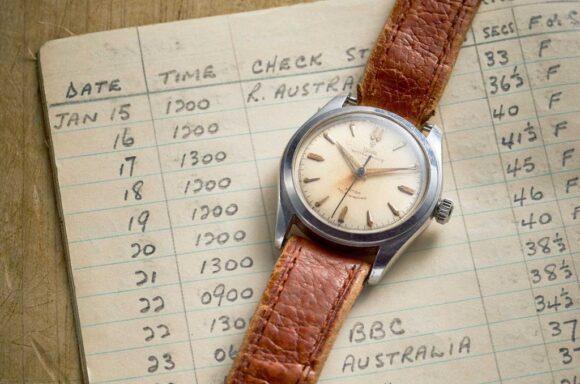
A shipment note coonfirming 135 Tudor Submariner movements and 135 cases was dispatched from Geneva to Rolex's New York
The quantity is particularly telling. With approximately 120 men forming the original SEAL force, the order of 125 watches was sufficient to equip the entire initial complement, with a small number remaining as spares. The reference 7928 was an entirely logical choice. Introduced in 1959, it represented an important development in Tudor’s professional diving watches, featuring a 200-metre water-resistant Oyster case, protective crown guards and a rotating bezel for measuring elapsed time. Powered by a self-winding movement, it was a robust and dependable wristwatch that was certainly suited to the demanding environment in which these men operated.
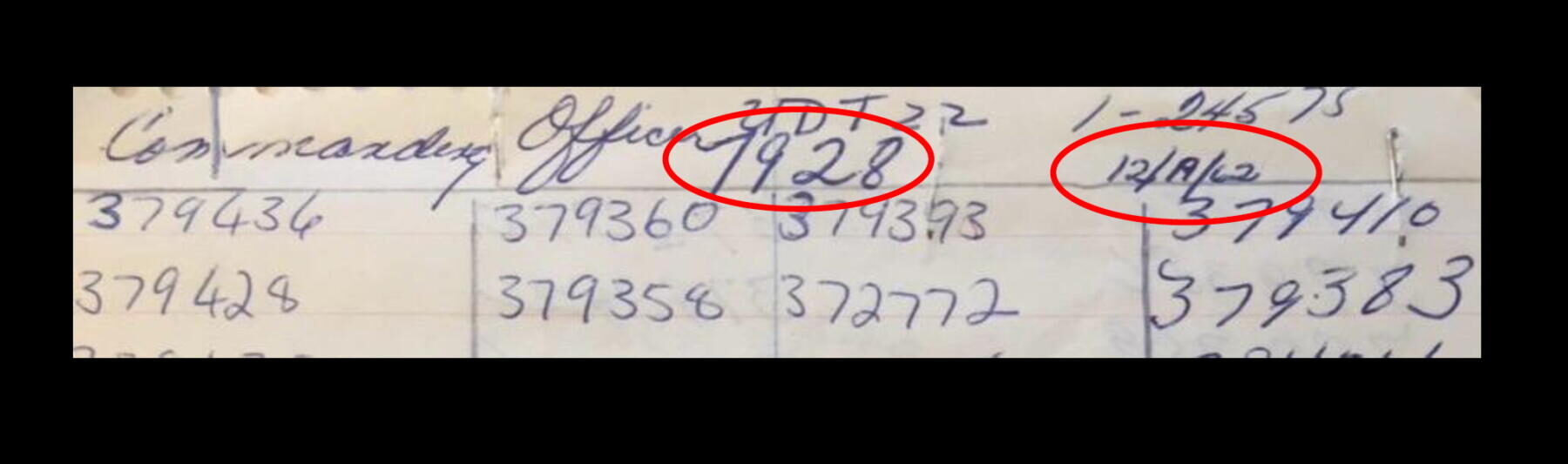
The delivery records from Tudor's archive state that 125 7928s were delivered to the Commanding Officer of UDT 22
Early examples of the 7928 featured distinctive pointed crown guards, while the familiar black dial, luminous hands and highly legible bezel made the watch a perfect candidate for professional underwater use. These were functional characteristics rather than aesthetic considerations, developed for precisely the sort of conditions encountered by military divers. For the SEALs, the Submariner was not a luxury item or a symbol of status. It was essential equipment.
More than a diving watch
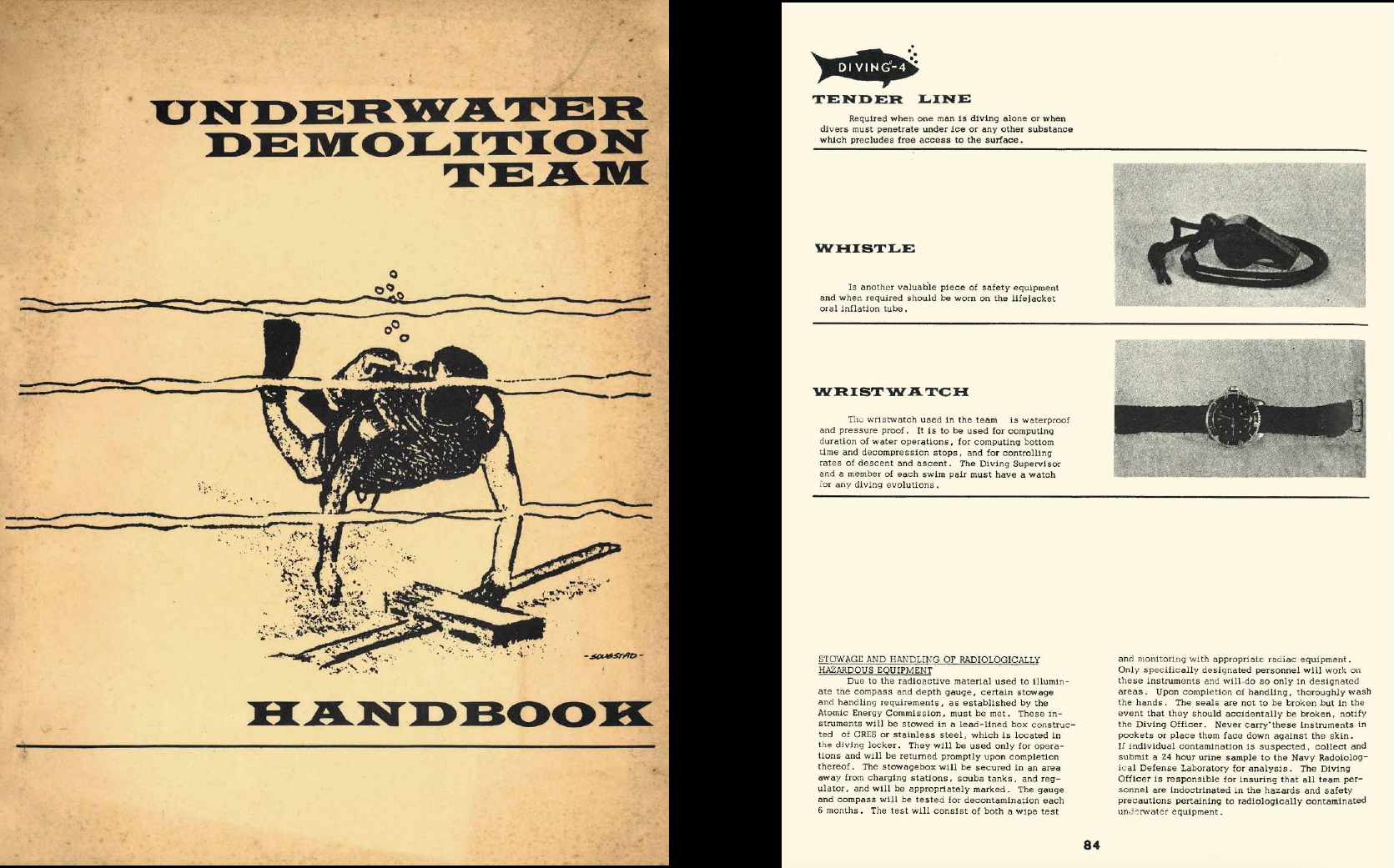
The importance of a reliable wristwatch to underwater operations is clearly demonstrated in the first edition of the Underwater Demolition Team Handbook, published in 1965. On page 84, an early Tudor Submariner reference 7928 is illustrated alongside instructions explaining the use of watches during diving operations.
The illustrated watch is particularly interesting to collectors. It features pointed crown guards, a chapter-ring dial and a so-called ‘long 5’ bezel insert. Rather than being fitted to a conventional steel bracelet, it is worn on a fabric strap, a configuration that would become synonymous with military-issued Tudor Submariners.
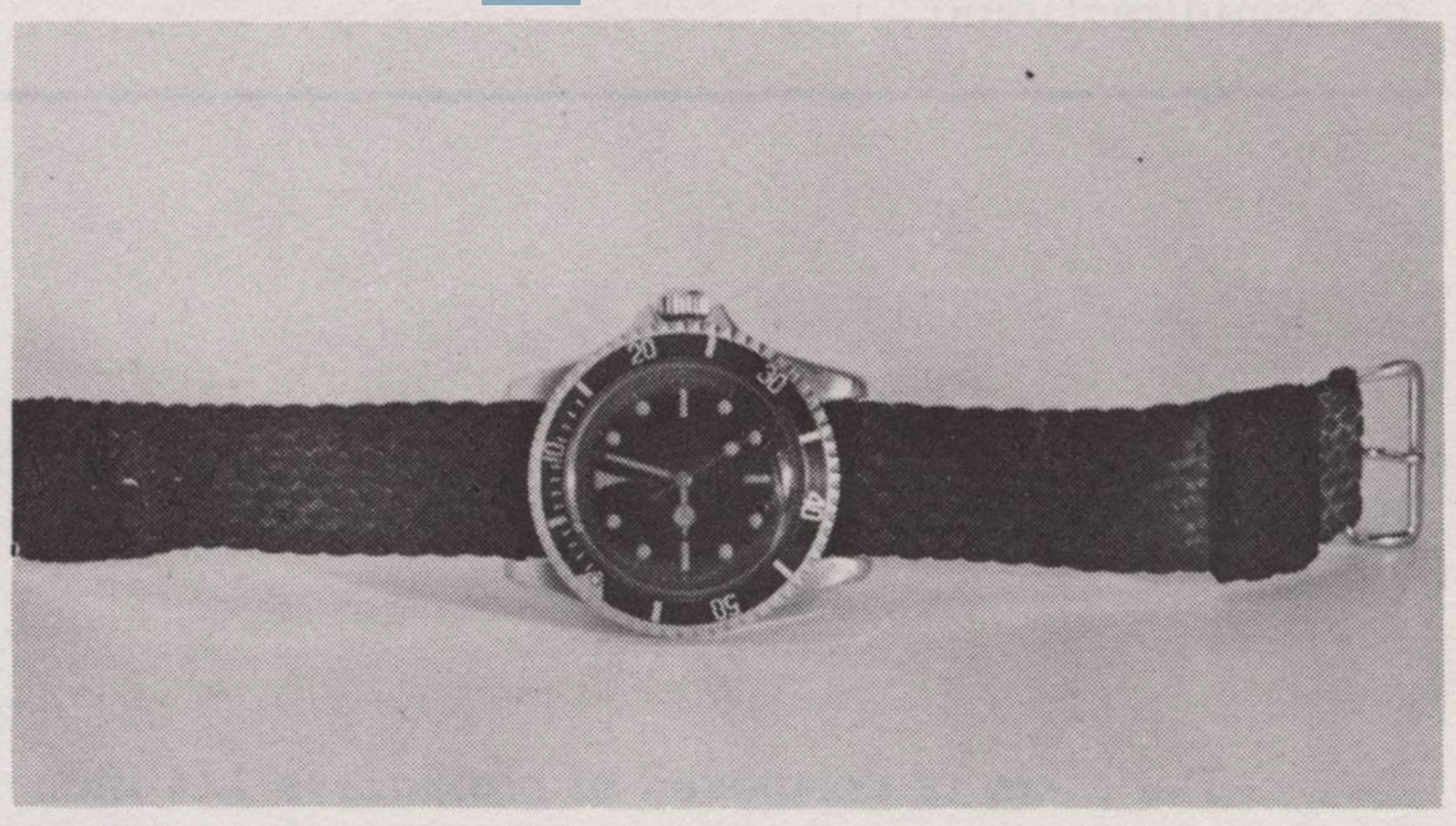
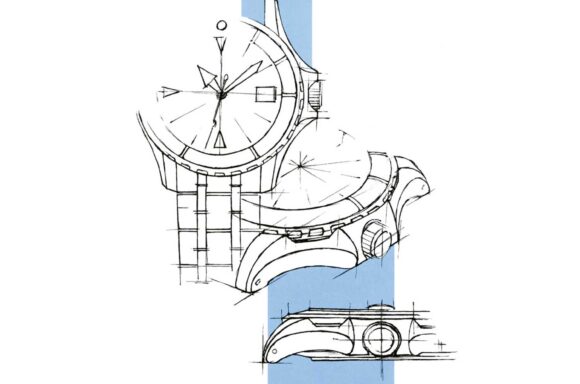
A close up from a page in the US Navy Underwater Demolition Team Handbook
The handbook explains that watches were required for calculating the duration of underwater operations, bottom times, decompression stops and rates of ascent and descent. The diving supervisor and at least one member of every swimming pair were required to carry a watch.
However, the Submariner’s usefulness extended beyond diving. One particularly fascinating account concerns the timing of explosive fuse cord. Operators could establish a known burn time by measuring the length of cord consumed over a set period, using their watches to calculate the appropriate length for a particular delay. In an environment where timing could be critical to both the success of a mission and the safety of those involved, the wristwatch was an indispensable tool.
The big watch
Perhaps the most compelling evidence of Tudor’s place within the early SEAL Teams comes from the men themselves.
In his 1992 autobiography Rogue Warrior, Richard Marcinko, who would later establish SEAL Team Six, recalls receiving a stainless-steel Tudor diving watch after completing his diving qualification. The watch had acquired a distinctly irreverent nickname among the men: the ‘Big Watch/Little Pecker’.
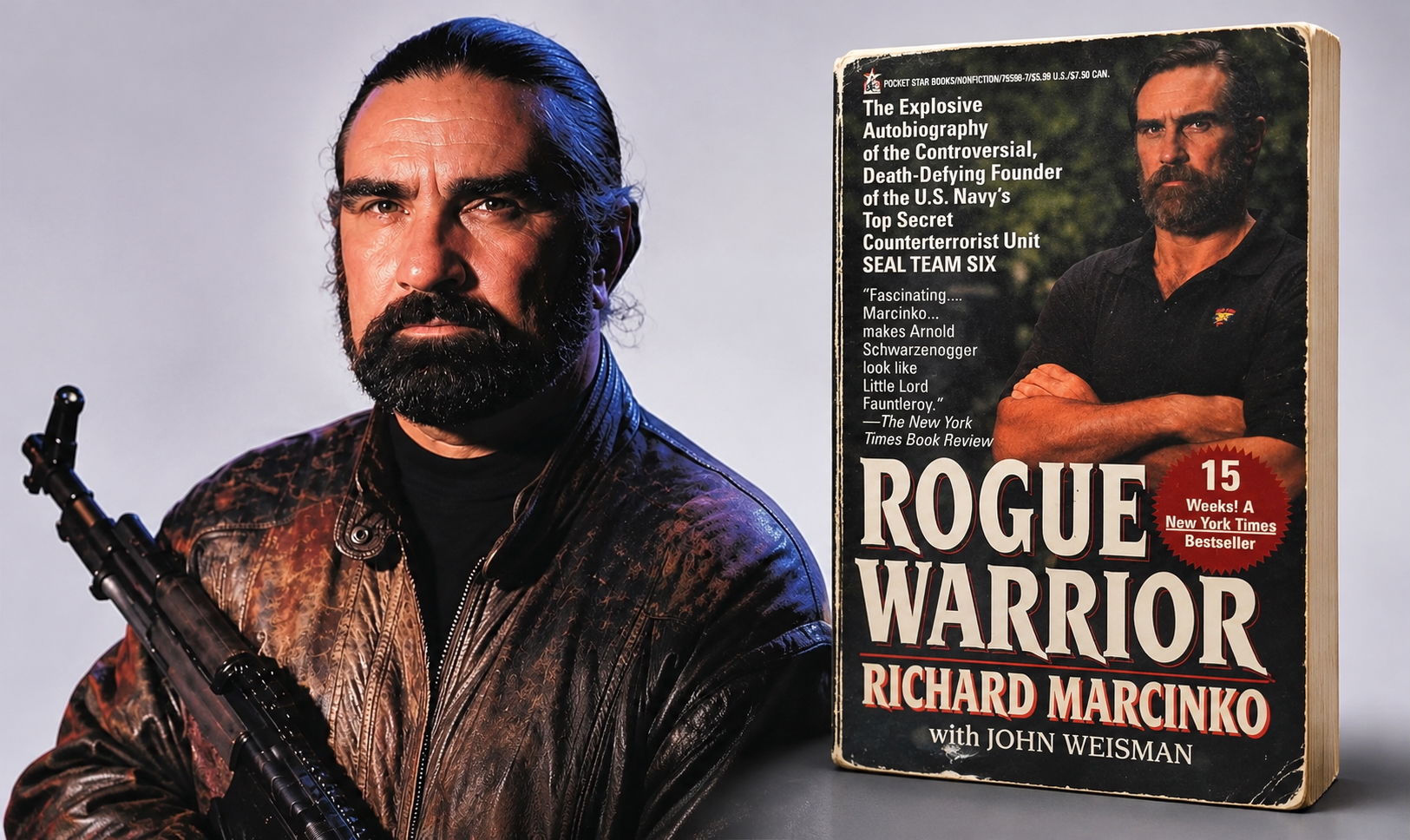
Rogue Warrior author Richard Marcinko, who would later establish SEAL Team Six
In his own words: “Dive qualification came first. I went back to St Thomas for six weeks of langostino, warm water, hot women and rum. At the end of the session I was tanned, fit, well rested, and sporting the Big Watch/Little Pecker stainless-steel Tudor diving watch that they gave you after you qualified.”
The humour is unmistakably military, but the recollection reveals something important. Receiving a Tudor was not simply a matter of being issued another piece of equipment. For these men, the watch had become associated with completing their training and earning their place within an elite community.
Few accounts capture this better than that of Philip ‘Moki’ Martin, who graduated in 1965. Speaking during a 2018 episode of Hodinkee’s Talking Watches, Martin recalled watching experienced frogmen and SEALs wearing their large Tudor Submariners and eagerly anticipating the day he would receive his own.

Moki Martin wearing his Tudor 7928 in the field
Upon graduation, Martin was issued his equipment, including swimming fins, a facemask, clothing, boots and, finally, his Tudor. The watch arrived in a box, but he was immediately instructed to remove the steel bracelet and replace it with a nylon strap. The reasoning was simple, if one spring bar failed, the strap would still retain the watch on the wrist.
Remarkably, Martin’s original Tudor survives and is now displayed at the Navy SEAL Museum in San Diego. It retains the nylon strap he fitted more than 60 years ago, together with brass fittings used to secure a leather protective cover and a wrist compass. The cover helped conceal the glow of the luminous dial during night operations, while the compass provided another essential navigation instrument.
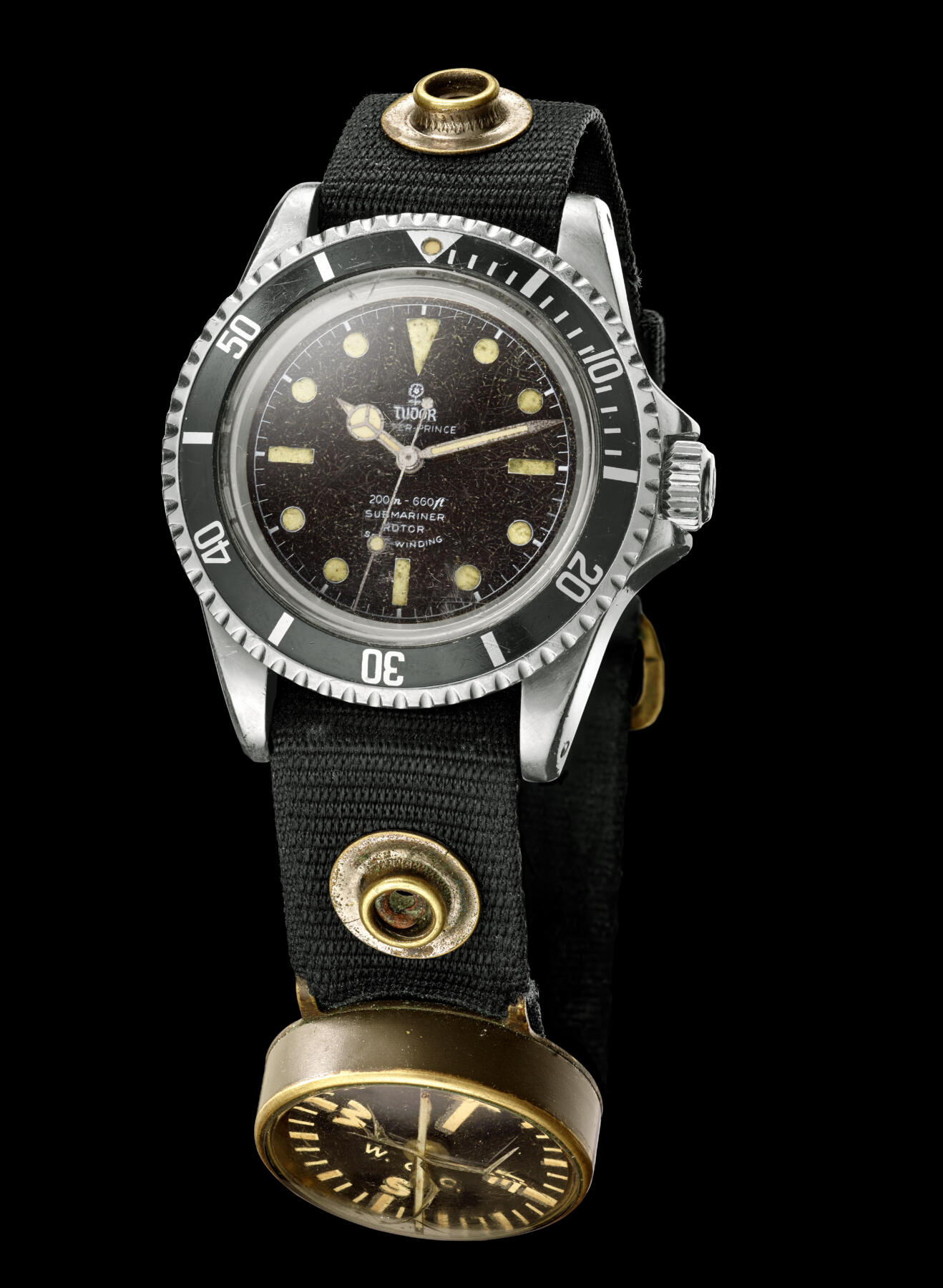
Moki Martin's Tudor 7928 in the US Navy SEAL Museum
In a fascinating interview with Watches of Espionage, retired Navy SEAL Dave Hall, who served for 21 years, recalled how the Tudor Submariner had become an unofficial badge of belonging among the early SEALs. Hall explained that Vietnam-era operators were issued their watches on steel bracelets but immediately transferred them to nylon straps fitted with wrist compasses, often adding leather covers secured by brass snaps to protect the crystal and conceal reflections. He also recalled acquiring two military-surplus Tudor Submariners for just $150 each during his training in 1988, after a fellow trainee’s uncle purchased a box of watches previously issued to SEAL Teams Three and Five.
Hall wore one of these watches at his graduation and subsequently reserved it for significant occasions, including military funerals and weddings. Reflecting on what the Tudor meant to earlier generations of frogmen, he explained that it represented something greater than an issued piece of equipment: “It meant you were part of that tribe.”
Further insight into the significance of the Tudor Submariner comes from Rick Woolard, a Vietnam-era frogman who subsequently commanded both SEAL Team Two and the legendary SEAL Team Six. Speaking to Watches of Espionage, Woolard recalled receiving his first Tudor whilst serving with Underwater Demolition Team 21 in 1967, shortly before deploying to the Caribbean. Unlike some accounts of watches being presented upon graduation, Woolard explained that new arrivals generally had to serve six months before receiving one, with the commanding officer making the decision based on recommendations from fellow team members.
The watches were not necessarily new, either. When an operator left the unit, his Tudor was returned to stores and subsequently reissued. For Woolard, receiving the watch was a significant milestone, although its practical importance was equally clear. During pre-invasion reconnaissance, precisely synchronised watches were essential to ensuring that operations unfolded according to plan.
Perhaps one of the most extraordinary stories involving an issued Tudor Submariner is that of Ben Beall, a SEAL Team One officer who received his reference 7928 in 1966. During a mission in Vietnam on 14 May 1968, Beall was seriously wounded in an explosion and evacuated to hospital, where his watch disappeared. He assumed it had been stolen, but remarkably, 49 years later, a former teammate returned it to him, having unknowingly kept it amongst his belongings since visiting Beall in hospital. The remarkable story, documented by Watches of Espionage, has an equally touching conclusion: Beall subsequently passed the watch to his son, who now wears it every day.
A relationship spanning generations
Although the original 1962 order establishes Tudor as the first watch specifically selected for the Navy SEALs, the relationship between the Swiss manufacturer and the wider US Navy began earlier.
By the late 1950s, Tudor diving watches were already being acquired for various naval applications, including the Seabees, the Navy Experimental Diving Unit and the Underwater Swimmer School. The Submariner’s combination of reliability, legibility and water resistance made it suitable for a wide range of professional underwater activities.
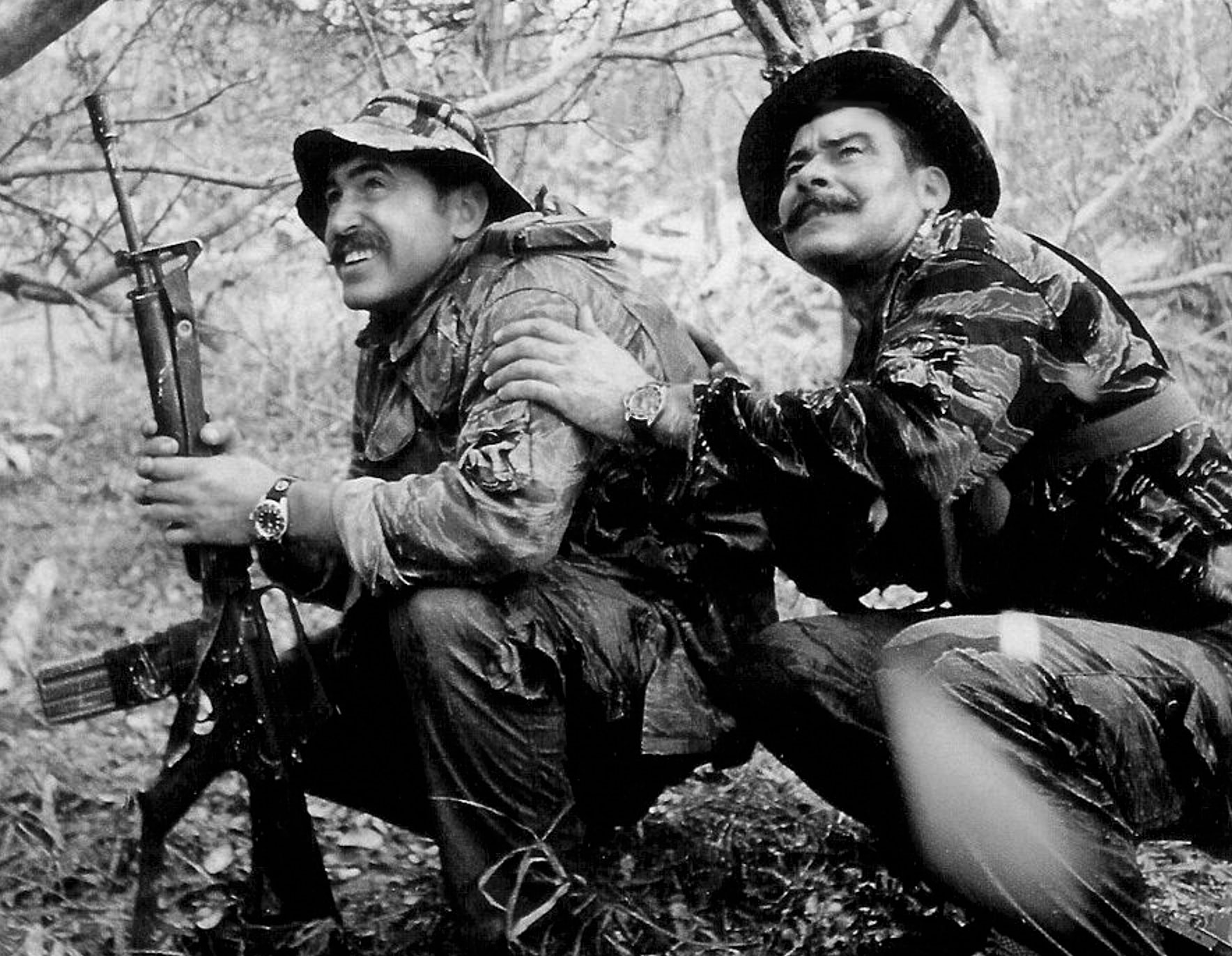
As the SEAL Teams expanded, Tudor Submariners continued to be supplied through official Navy channels. The relationship also evolved alongside the watches themselves. In 1973, the US Navy Diving Manual listed the Tudor Submariner references 7016 and 7021 as approved diving watches, while later procurement arrangements included the references 9411 and 76100.
By this time, Tudor had introduced the distinctive Snowflake dial and hands, a design that had first appeared in 1969 and would become one of the most recognisable features of the brand’s military diving watches. The references 9401 and 9411, both associated with the later years of US Navy supply, continued the tradition established by the original 7928.
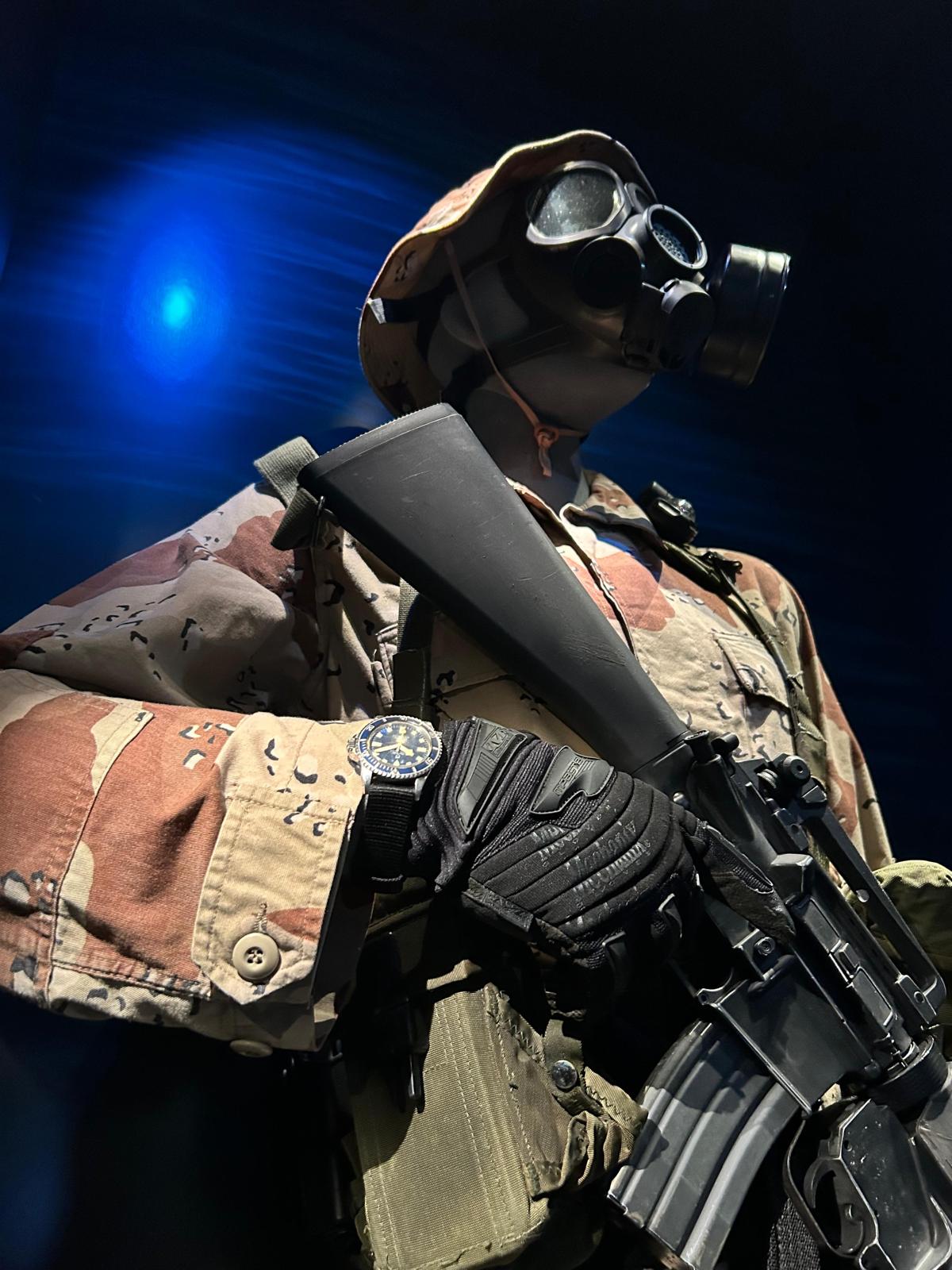
Today, that history is celebrated at the Navy SEAL Museum in San Diego, which opened in October 2025 with Tudor as a founding donor and exhibition contributor. Alongside Moki Martin’s personal watch, the museum displays examples of the references 7928 and 9401, representing different generations of the relationship.
For collectors, military-issued Tudor Submariners have long occupied a special place within the brand’s history. Their appeal lies not simply in their distinctive appearance or scarcity, but in the fact that they were genuine working instruments, often modified, worn and occasionally damaged during demanding service.
The discovery of the original 1962 order adds an important new chapter to that history. What had long been understood through photographs, surviving watches and the memories of former operators can now be traced directly to the original shipping records. The Tudor Submariner was not merely a watch that Navy SEALs happened to wear. It was there at the beginning, issued to the founding generation of a force that would become synonymous with some of the most demanding military operations in the world.
And the watch at the centre of that story was the reference 7928.